Gastroscopy in London and Essex
A gastroscopy uses a thin, flexible camera to examine the lining of your oesophagus, stomach and the first part of your small bowel. It can help find the cause of symptoms such as heartburn, upper abdominal pain, difficulty swallowing or anaemia. If abnormalities are found, Dr Ahmad can usually take biopsies or treat certain problems during the same procedure, to help avoid a second visit.
- Consultant Gastroenterologist and Specialist Endoscopist at St Mark's, The National Bowel Hospital
- PhD in colonoscopy quality, Imperial College London
- 4,500+ procedures
Consultations usually available within 1 to 2 weeks, including evenings and weekends, in person or remotely.

The procedure
Gastroscopy at a glance
The key facts about your gastroscopy with Dr Ahmir Ahmad, from preparation to results.
How long
The examination usually takes about 5 to 10 minutes.
Your visit
Plan for around two to three hours in total, including recovery. If you have sedation, you’ll need someone to take you home.
Comfort
Choose from a numbing throat spray, light sedation or, at Welbeck London, deep sedation given by an anaesthetist. At Welbeck London, a transnasal option without sedation is also available.
Before
A pre-assessment call, then nothing to eat for 6 hours beforehand. You can usually sip water until 2 hours before. You'll get clear instructions on eating, drinking and your medicines.
Results
Your report is shared through your secure patient portal on the day. If samples are taken, you’ll have a clinic follow-up about two weeks later.
Where
Welbeck London, Nuffield Brentwood, Spire Hartswood and St Mark’s TrustPlus.
What a gastroscopy involves
What a gastroscopy can find
Throat spray
Welbeck London- Awake or drowsyFully awake
- Drive afterwards?Yes
- Typical time to go homeAbout 30 minutes
Light sedation
Welbeck London- Awake or drowsyRelaxed and drowsy
- Drive afterwards?No, not for 24 hours
- Typical time to go home1 to 2 hours
Deep sedation
Welbeck London- Awake or drowsyVery drowsy or asleep
- Drive afterwards?No, not for 24 hours
- Typical time to go home2 to 3 hours
A transnasal option without sedation is also available at Welbeck London.
The procedure
What a gastroscopy involves
A thin, flexible camera is passed through your mouth and gently guided down your food pipe (oesophagus) into your stomach and the first part of your small bowel (duodenum). If Dr Ahmad sees anything that needs testing, he can take small tissue samples (biopsies) during the same examination.
Dr Ahmad carries out every procedure himself, supported by the hospital’s experienced endoscopy nursing team. The examination usually takes about 5 to 10 minutes.
- ☑A pre-assessment call, then no food for 6 hours
- ☑Throat spray or sedation, including deep sedation at Welbeck London
- ☑Home the same day
- ☑Findings explained and your report shared on the day
In every section, Dr Ahmad looks for inflammation, ulcers, bleeding and other changes to the lining.
What Dr Ahmad looks at
What a gastroscopy involves
A gastroscopy uses a thin, flexible camera to look at the lining of your food pipe, stomach and the first part of your small bowel. It usually takes only a few minutes.
Follow the camera on its journey with the buttons below. The diagram on the right shows where it is at each stage.
Mouth and throat
The thin, flexible camera enters through your mouth and passes over the back of your tongue into the throat (pharynx). You may be asked to swallow gently as it goes down. It does not block your breathing.
What a gastroscopy can find
Looking directly at the lining lets us find, and often explain, the cause of symptoms such as heartburn, indigestion, upper tummy pain, difficulty swallowing and low iron.
Hiatus hernia
Part of the stomach pushes up through the opening in the diaphragm.
Oesophagitis and Barrett’s oesophagus
Inflammation of the lower food pipe, often from acid reflux, and a change in its lining that is checked with small samples.
Gastritis and stomach ulcers
Inflammation of the stomach lining, or sore open patches in the stomach wall.
Duodenal ulcers
Ulcers in the first part of the duodenum, the start of the small bowel.
Coeliac disease
Small samples (biopsies) from the second part of the duodenum show whether the lining is damaged.
Comfort options
Throat spray
All locations- Awake or drowsyFully awake
- Drive afterwards?Yes
- Typical time to go homeAbout 30 minutes
Light sedation
All locations- Awake or drowsyRelaxed and drowsy
- Drive afterwards?No, not for 24 hours
- Typical time to go home1 to 2 hours
Deep sedation
Welbeck London- Awake or drowsyVery drowsy or asleep
- Drive afterwards?No, not for 24 hours
- Typical time to go home2 to 3 hours
A transnasal option without sedation is also available at Welbeck London.
What a gastroscopy involves
What a gastroscopy can find
Throat spray
Welbeck London- Awake or drowsyFully awake
- Drive afterwards?Yes
- Typical time to go homeAbout 30 minutes
Light sedation
Welbeck London- Awake or drowsyRelaxed and drowsy
- Drive afterwards?No, not for 24 hours
- Typical time to go home1 to 2 hours
Deep sedation
Welbeck London- Awake or drowsyVery drowsy or asleep
- Drive afterwards?No, not for 24 hours
- Typical time to go home2 to 3 hours
A transnasal option without sedation is also available at Welbeck London.
Mouth and throat
The thin, flexible camera enters through your mouth and passes over the back of your tongue into the throat (pharynx). You will be asked to swallow gently as it goes down. It does not block your breathing.
- 1Camera enters here – Through the mouth
- 2Throat – Pharynx
- 3Oesophagus – Food pipe
- 4Diaphragm – Muscle sheet
- 5Gastro-oesophageal – junction
- 6Fundus – Top of the stomach
- 7Body – Main part
- 8Antrum – Lower stomach
- 9Pylorus – Exit valve
- 10D1 – Duodenal bulb
- 11D2 – Second part
- 1Hiatus hernia – At the diaphragm
- 2Oesophagitis & Barrett’s – Lower food pipe
- 3Gastritis – Stomach lining
- 4Stomach ulcer – Stomach wall
- 5Duodenal ulcer – First part (D1)
- 6Coeliac biopsy site – Second part (D2)
The procedure
What a gastroscopy involves
A thin, flexible camera is passed through your mouth and gently guided down your food pipe (oesophagus) into your stomach and the first part of your small bowel (duodenum). If Dr Ahmad sees anything that needs testing, he can take small tissue samples (biopsies) during the same examination.
Dr Ahmad carries out every procedure himself, supported by the hospital’s experienced endoscopy nursing team. The examination usually takes about 5 to 10 minutes.
- ☑A pre-assessment call, then no food for 6 hours
- ☑Throat spray or sedation, including deep sedation at Welbeck London
- ☑Home the same day
- ☑Findings explained and your report shared on the day
In every section, Dr Ahmad looks for inflammation, ulcers, bleeding and other changes to the lining.
What to expect during your gastroscopy
A typical gastroscopy, from getting comfortable to going home.
-
1
Getting comfortable
Your throat is numbed with a spray. You then lie on your left side, and a mouth guard is placed to protect your teeth. If you've chosen sedation, it's given through a thin, soft plastic tube (cannula) in your arm.
-
2
Passing the camera
Dr Ahmad gently passes the thin camera over the back of your tongue. You may feel some throat discomfort for a few seconds, and he'll ask you to swallow to help the camera pass into your food pipe. After that, the rest of the procedure is usually straightforward, and the main thing to focus on is slow, steady breathing.
-
3
The examination
He checks your oesophagus, stomach and the first part of the small bowel, photographs each key area for your report, and takes small biopsies if needed, which you won't feel. Air opens up the stomach, so you may feel bloated or want to burp. It usually takes 5 to 10 minutes.
-
4
Home the same day
You'll rest in the recovery area, and Dr Ahmad explains what he found before you leave. You can eat and drink once the throat spray and any sedation have worn off. If you had sedation, you'll need an adult to take you home. If you had throat spray without sedation, you can drive yourself home.
Not sure whether to have sedation? Dr Ahmad will talk you through the options at your consultation.
Book a consultationHaving a gastroscopy without sedation
Many people have their gastroscopy without sedation, using a numbing throat spray only. The examination takes 5 to 10 minutes, and you can drive and get back to your day straight away. With Dr Ahmad’s gentle technique, most people find it very manageable.
At Welbeck London, the camera can also be passed through the nose instead of the mouth (transnasal gastroscopy), using a very thin camera and a numbing spray. It isn’t suitable for everyone, for example if your nose is blocked or narrow, if you take blood thinners, or if treatment or larger biopsies are likely to be needed.
Dr Ahmad will talk you through the options at your consultation.
Your appointment
What happens on the day
From arrival to going home, plan for around two to three hours in total, including recovery.
Step 1: Before the day
The pre-assessment team will contact you to go through your medical history and the medicines you take. They’ll explain any changes you need to make to your medicines and tell you when to stop eating and drinking before the procedure.
Step 2: Arrive and settle in
A nurse will admit you and check your details. Dr Ahmad will explain the procedure, answer your questions and ask for your consent. At Welbeck London, the anaesthetist will also see you to discuss your sedation options.
Step 3: The examination
Dr Ahmad carries out your gastroscopy, as described above. Biopsies are taken if needed, and some problems can be treated during the same procedure.
Step 4: Recover and go home
You’ll rest in the recovery area, where you can have a drink and a light snack once your throat feels normal. Dr Ahmad will explain what he found, including any significant findings, and your report is shared through your secure patient portal. If you had sedation, an adult must take you home, and you shouldn’t drive, drink alcohol or sign important documents for 24 hours.
Why choose Dr Ahmad for gastroscopy?
Expert care, clear answers and support at every step.
Consultant-led care
Dr Ahmad performs your gastroscopy himself. He is a consultant gastroenterologist and specialist endoscopist, has published on endoscopy and has carried out more than 4,500 procedures.
Answers and treatment in one visit
Biopsies are taken during your gastroscopy if needed, and certain problems can be treated at the same time. More complex treatment may need a separate, planned procedure.
Your comfort matters
Dr Ahmad uses a gentle, unhurried technique to help keep you comfortable. You can also choose the level of sedation that suits you, and the team will support you throughout.
Clear answers on the day
Dr Ahmad explains the findings before you go home, including anything significant, and your report is shared through your secure patient portal. If biopsies are taken, he’ll review the results with you in clinic about two weeks later.
Gastroscopy quality you can check
Dr Ahmad's results from the National Endoscopy Database, January 2025 to October 2026 (319 procedures).
Duodenal intubation rate
96%
How often the camera reaches the second part of the duodenum, which is needed for a complete examination.
The standardA complete examination to the second part of the duodenum is expected in virtually all procedures.
Average examination time
around8minutes
The time spent carefully inspecting the lining of the food pipe (oesophagus), stomach and duodenum, when subtle changes are most likely to be seen.
The standardESGE recommends at least 7 minutes for a complete examination.
Comfort
Fewer than2%
with moderate or severe discomfort
Around half (48%) of procedures were performed with throat spray only, without sedation.
The standardBSG aim: fewer than 10% of patients with moderate or severe discomfort.
Sedation within recommended doses
100%
How often sedation stayed within national recommended limits. Dr Ahmad uses the lowest effective dose; patients who have sedation typically receive half the recommended maximum or less.
The standardBSG recommended maximum doses.
Dr Ahmad routinely photographs all eight standard areas of the upper gut on every gastroscopy, so your examination is fully recorded and can be compared in future.
These figures are from Dr Ahmad’s own audited data and are not a guarantee of individual outcomes.
Book a consultation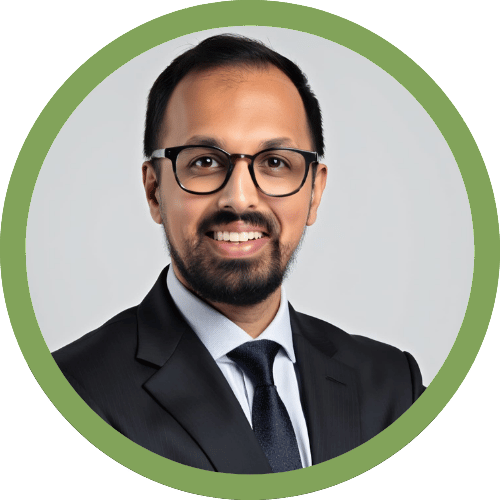
Your specialist, Dr Ahmir Ahmad
Consultant Gastroenterologist and Specialist Endoscopist
Dr Ahmad qualified in medicine from University College London in 2010. He completed a four-year specialist endoscopy fellowship at St Mark’s Hospital from 2018 to 2022, and a PhD at Imperial College London in 2023 on improving the quality of colonoscopy, so that polyps and early bowel cancers are found more reliably. His specialist interests include therapeutic endoscopy, endoscopic mucosal resection (EMR) and the early detection of upper gastrointestinal conditions. He continues to perform endoscopy at St Mark’s, The National Bowel Hospital, and has carried out more than 4,500 procedures.
- Qualifications MBBS, BSc, MRCP, PhD
- Professional registration GMC 7090128 · Specialist Register
- Practises at Welbeck London · Nuffield Brentwood · Spire Hartswood · St Mark’s TrustPlus
- Experience 4,500+ procedures
Medically reviewed by Dr Ahmir Ahmad. Last reviewed 20 October 2026.
Testimonials
What patients say
What patients say about their consultations and procedures.
“I was dealt with very sympathetically and professionally by Dr Ahmad, this was over the course of three consultations and an endoscopy. Any worries I had about the treatment were unfounded and the endoscopy was a quick and painless procedure. I was quickly reassured there were no significant issues and have been discharged back to my GP. So pleased to have been under Dr Ahmad’s care. ”
“Very satisfied with the whole experience ”
"Dr Ahmad is very professional and has excellent personal skills. I felt immediately impressed and assured on his high level of expertise. Took a good amount of time to throughly look at my issues. Then reacted immediately with a quick plan to move forward. Excellent professional. ”
Frequently asked questions
-
A gastroscopy is recommended to find the cause of symptoms such as persistent heartburn or indigestion, upper tummy pain, difficulty swallowing, repeated vomiting, anaemia or unexplained weight loss. It’s also used to check known conditions, such as Barrett’s oesophagus, and to take biopsies for coeliac disease.
-
It can find inflammation of the food pipe (oesophagitis), stomach or duodenal ulcers, Helicobacter pylori infection, a hiatus hernia, Barrett’s oesophagus, coeliac disease, a narrowing of the food pipe, sources of bleeding, and polyps or cancers of the oesophagus and stomach.
-
Yes. A gastroscopy is the most accurate test for cancers of the food pipe and stomach. If Dr Ahmad sees an abnormal area, he takes biopsies to confirm what it is. Most people who have a gastroscopy do not have cancer.
-
You don’t need a GP referral to book if you’re paying for yourself. If you’re using health insurance, your insurer may ask for a GP referral before authorising your consultation, so check with them first. Procedures are not usually performed without an initial consultation, so Dr Ahmad can check a gastroscopy is right for you.
-
The pre-assessment team will call you to go through your medical history and medicines. You’ll need an empty stomach, so don’t eat for 6 hours beforehand; you can usually sip water until 2 hours before. If you take blood thinners, diabetes medicines or acid-reducing tablets, the pre-assessment team will advise whether you need to change them.
-
Sometimes. Stopping PPIs (such as omeprazole or lansoprazole) for 2 weeks beforehand can make H. pylori testing and some findings more accurate. Only stop them if the team asks you to.
-
It isn’t usually painful. You may feel some throat discomfort for a few seconds as the camera passes, and Dr Ahmad will ask you to swallow to help it into your food pipe. After that, most people find the rest straightforward, and the main thing to focus on is slow, steady breathing. You may feel bloated as air opens up the stomach. The examination itself takes only 5 to 10 minutes, and throat spray or sedation can help keep you comfortable.
-
No. Many people have a gastroscopy with a numbing throat spray only. It takes 5 to 10 minutes, and you can go home and drive straight away. Sedation helps you relax, but you’ll need an adult to take you home and you can’t drive for 24 hours. At Welbeck London, deep sedation given by an anaesthetist is also available, as is transnasal gastroscopy through the nose. Dr Ahmad will help you choose at your consultation.
-
Gastroscopy is very safe. A sore throat and bloating are common and settle within a day. Rare complications include bleeding, a tear in the food pipe or stomach (perforation), a reaction to sedation and damage to teeth. Risks are slightly higher if treatment is carried out. Dr Ahmad will explain the risks before you consent.
-
You can eat and drink once the throat spray and any sedation have worn off. If you had throat spray without sedation, you can drive and carry on as normal straight away. With sedation, an adult must take you home, and you shouldn’t drive, drink alcohol or sign important documents for 24 hours. Most people are back to normal the next day.
-
Dr Ahmad explains the findings before you go home, and your report is shared through your secure patient portal on the day. If biopsies are taken, you’ll have a clinic follow-up about two weeks later to go through the results.
-
The price depends on the hospital, the sedation you choose and whether biopsies or treatment are needed. You’ll receive a clear written quote before you book. If you have health insurance, check your cover with your insurer first. For a quote, call 07435 081678 or email clinic@drahmirahmad.com.
-
If you’re using health insurance, your insurer will usually ask for a procedure code (CCSD code) before authorising your procedure. The diagnostic code already includes any biopsies. Because we won’t know until the day whether treatment, such as polyp removal, will be needed, we recommend asking your insurer to authorise both the diagnostic and the therapeutic code. If you have questions about codes or authorisation, contact Dr Ahmad’s secretary on 07435 081678 or at clinic@drahmirahmad.com.
Procedure Diagnostic code Therapeutic code Gastroscopy (OGD) G6500 G4430 Gastroscopy and colonoscopy together G8082 G8083
Get in touch
Have a question about gastroscopy? We’re happy to help.
-
Call now
Phone
07435 081678Dr Ahmad’s secretary, Monday – Friday, 9:00am – 5:00pm
-
Send an email
Email
clinic@drahmirahmad.com
Clinic times
-
Monday12:00–14:00Welbeck London
-
Tuesday08:00–09:00St Mark’s TrustPlus
-
Wednesday10:30–12:00Spire Hartswood14:00–16:00Nuffield Brentwood18:00–20:00Welbeck London
-
Saturday09:00–11:00Spire Hartswood or Nuffield Brentwood
-
Monday
Advice after your procedure
Office hours
Contact Dr Ahmad’s secretary on 07435 081678 or at clinic@drahmirahmad.com.
- Monday – Friday 9:00am – 5:00pm
Out of hours
Contact the hospital where you were treated for advice:
- Spire Hartswood 01277 232525
- Nuffield Brentwood 01277 695695
- Welbeck London 020 3653 2004
- St Mark’s TrustPlus 020 8864 3232
Looking for a Gastroscopy specialist?
See Dr Ahmad at Welbeck London, Nuffield Brentwood, Spire Hartswood or St Mark’s TrustPlus. Consultations are available in person, by video or by phone.