







Gastroscopy

A gastroscopy uses a thin, flexible camera to examine the lining of your oesophagus, stomach and the first part of your small bowel. It can help find the cause of symptoms such as heartburn, upper abdominal pain, difficulty swallowing or anaemia. If abnormalities are found, Dr Ahmad can usually take biopsies or treat certain problems during the same procedure, to help avoid a second visit.

Call 07435 081678

Consultations usually available within 1 to 2 weeks, including evenings and weekends, in person or remotely.

4.97 /5
Rated on Doctify
Insurers accepted
  • Allianz
  • Aviva Health
  • AXA Health
  • Bupa
  • Healix
  • Vitality Health
  • WPA

The procedure

Gastroscopy at a glance

The key facts about your gastroscopy with Dr Ahmir Ahmad, from preparation to results.

How long

The examination usually takes about 5 to 10 minutes.

Your visit

Plan for around two hours in total, including recovery. If you have sedation, you’ll need someone to take you home.

Comfort

Choose from a numbing throat spray on its own or light sedation, depending on what suits you.

Before

A pre-assessment call, then no food for about 6 hours beforehand. You’ll be given clear instructions on eating, drinking and your medicines.

Results

Your report is shared with your secure patient portal on the day. If samples are taken, you’ll have a clinic follow-up about two weeks later.

Where

Welbeck London (Marylebone), Nuffield Health Brentwood Hospital, Spire Hartswood Hospital (Brentwood) and St Mark’s TrustPlus at Northwick Park Hospital (Harrow).

The procedure

What a gastroscopy involves

A clear look at the lining of your upper digestive tract

A thin, flexible camera is passed through your mouth and gently guided down your food pipe (oesophagus) into your stomach and the first part of your small bowel (duodenum). If Dr Ahmad sees anything that needs testing, he can take small tissue samples (biopsies) during the same examination.

Dr Ahmad carries out every procedure himself, supported by the hospital’s experienced endoscopy nursing team. The examination usually takes about 5 to 10 minutes.

  • A pre-assessment call, then no food for about 6 hours beforehand
  • Choice of a numbing throat spray on its own or light sedation
  • Home the same day
  • Findings explained and your report shared on the day
Scope enters here Throat Oesophagus Stomach Duodenum

In every section, Dr Ahmad looks for inflammation, ulcers, bleeding and other changes to the lining.

The procedure

What a colonoscopy involves

A clear look at the whole lining of your bowel

A thin, flexible camera is passed through your back passage and gently guided around your large bowel. If Dr Ahmad finds a polyp, he will remove it if it is safe to do so at the time. He can also take small tissue samples (biopsies) for testing.

Dr Ahmad carries out every procedure himself, supported by the hospital’s experienced endoscopy nursing team. The examination takes about 30 to 45 minutes.

  • A pre-assessment call, then a low-fibre diet and bowel preparation
  • Choice of no sedation, light sedation or, at Welbeck London, deeper sedation given by an anaesthetist
  • Home the same day
  • Findings explained and your report shared on the day
Rectum Sigmoid Descending Transverse Ascending Caecum Terminal ileum Scope enters here

In every section, Dr Ahmad looks for polyps, inflammation, bleeding and other changes to the lining.

Transnasal gastroscopy: an option without sedation

Transnasal gastroscopy examines your oesophagus (food pipe), stomach and the first part of the small bowel using a very thin camera passed through the nose instead of the mouth. Most people have it awake, with a numbing spray in the nose, so no sedation is needed.

Comparison Standard gastroscopy Transnasal gastroscopy
How the camera is passed Through the mouth Through the nose
Sedation Sedation or throat spray, depending on your choice Usually none, with a numbing spray in the nose
Gagging Possible as the camera passes the back of the tongue Less likely, because the camera avoids the back of the tongue
During the examination You are usually drowsy or relaxed You are awake and can talk
Afterwards If you had sedation, an adult must take you home and you shouldn’t drive for 24 hours You can usually eat, drive and return to normal activities soon afterwards
Best when Treatment or larger biopsies may be needed You want to avoid sedation and a diagnostic check is the aim
  • It may suit you if

    • You would rather not have sedation
    • You need to get back to work, drive or look after others soon afterwards
    • You gag easily or dislike the idea of a camera passing through your mouth
    • You want a clear look at your food pipe, stomach and upper small bowel
  • Standard gastroscopy may be better if

    • Your nose is blocked or narrow
    • You take blood thinners or have a bleeding disorder
    • Treatment or larger biopsies are likely to be needed

    Dr Ahmad will advise which option is best for you at your consultation.

What to expect

A typical transnasal gastroscopy, from arrival to going home.

  1. Numbing spray

    Your nose is prepared with a numbing spray, so the examination is comfortable.

  2. Gentle insertion

    Dr Ahmad passes the thin camera through your nose and down the back of your throat. You can breathe and talk normally.

  3. The examination

    He checks your oesophagus, stomach and the first part of the small bowel. You may feel pressure or a tickle in your nose.

  4. Home soon after

    With no sedation, you can usually eat, drive and carry on with your day. Dr Ahmad explains what he found before you leave.

Not sure which option is right for you? Dr Ahmad will talk you through both at your consultation.

Book a consultation

Your appointment

What happens on the day

From arrival to going home, plan for around two to three hours, including preparation, the examination and recovery.

Step 1: Before the day

The pre-assessment team will contact you to go through your medical history and the medicines you take. They’ll explain any changes you need to make to your medicines and tell you when to stop eating and drinking before the procedure.

Step 2: Arrive and settle in

A nurse will admit you and check your details. Dr Ahmad will explain the procedure, answer your questions and ask for your consent. At Welbeck London, the anaesthetist will also see you to discuss your sedation options.

Step 3: The examination

Dr Ahmad gently passes the gastroscope through your mouth to examine the lining of your oesophagus, stomach and the first part of your small bowel. You may feel some pressure, bloating or gagging as air is introduced, and a mouth guard protects your teeth. Biopsies are taken if needed, and some problems can be treated during the same procedure.

Step 4: Recover and go home

You’ll rest in the recovery area, where you can have a drink and a light snack once your throat feels normal. Dr Ahmad will explain what he found, including any significant findings, and your report will be shared via your secure patient portal. If you had sedation, an adult must take you home, and you shouldn’t drive, drink alcohol or sign important documents for 24 hours.

Why choose Dr Ahmad for gastroscopy?

Expert care, clear answers and support at every step.

  • Consultant-led care

    Dr Ahmad performs your gastroscopy himself. He is a consultant gastroenterologist and specialist endoscopist, has published on endoscopy and has carried out more than 4,500 procedures.

  • Treated in one visit

    Biopsies are taken during your gastroscopy if needed, and certain problems can be treated at the same time. More complex treatment may need a separate, planned procedure.

  • Your comfort matters

    Dr Ahmad uses a gentle, unhurried technique to help keep you comfortable. You can also choose the level of sedation that suits you, and the team will support you throughout.

  • Clear answers on the day

    Dr Ahmad explains the findings before you go home, including anything significant, and your report is shared via your secure patient portal. If biopsies are taken, he’ll review the results with you in clinic about two weeks later.

Gastroscopy quality you can check

Dr Ahmad’s results from the National Endoscopy Database, [start date] to [end date] ([X] procedures).

  • Duodenal intubation rate

    0%

    How often the camera reaches the second part of the duodenum, which is needed for a complete examination.

    The standard

    A complete examination to the second part of the duodenum is expected in virtually all procedures.

  • Average examination time

    0minutes

    The time spent carefully inspecting the lining of the oesophagus, stomach and duodenum, when subtle changes are most likely to be seen.

    The standard

    ESGE recommends at least 7 minutes for a complete examination.

  • Photo documentation

    0%

    How often images of the key areas are recorded, so your examination can be reviewed and compared in future.

    The standard

    ESGE minimum standard: 90% · target: 100%

  • Biopsy protocol adherence

    0%

    How often recommended biopsies are taken when needed, for example to check for Barrett’s oesophagus, Helicobacter pylori or coeliac disease.

    The standard

    Biopsies taken in line with BSG and ESGE guidance.

  • Comfort

    Fewer than0%

    with moderate or severe discomfort

    Over [X]% of procedures were assessed as causing no more than mild discomfort. Around [X]% were performed with throat spray only, without sedation.

    The standard

    BSG aim: fewer than 10% of patients with moderate or severe discomfort

These figures are from Dr Ahmad’s own audited data and are not a guarantee of individual outcomes.

Book a consultation

Colonoscopy quality you can check

Dr Ahmad’s results from the National Endoscopy Database, January 2025 to October 2026 (421 procedures).

  • Caecal intubation rate

    96%

    How often the camera reaches the far end of the bowel, which is needed to examine the whole colon.

    The standard

    National minimum standard: 90% · aspirational target: 95%

  • Average withdrawal time

    14minutes

    and above 10 minutes in every quarter

    The time spent carefully examining the bowel lining on the way out, when most polyps are found.

    The standard

    National minimum standard: mean of at least 6 minutes · aspirational target: mean of at least 10 minutes

  • Polyp detection rate

    53%

    Polyps can develop into bowel cancer, so finding and removing them matters.

    The standard

    National minimum standard: 15% · aspirational target: 20%

  • Polyp retrieval

    Around99%

    How often removed polyps are recovered and sent to the laboratory. The results guide any further treatment or surveillance.

    The standard

    National minimum standard: 90%

  • Comfort

    Fewer than2%

    with moderate or severe discomfort

    Over 98% of procedures were assessed as causing no more than mild discomfort. Around a third were performed without sedation.

    The standard

    BSG aim: fewer than 10% of patients with moderate or severe discomfort

These figures are from Dr Ahmad’s own audited data and are not a guarantee of individual outcomes.

Book a consultation
Dr Ahmir Ahmad - Gastroenterologist and Endoscopist Profile

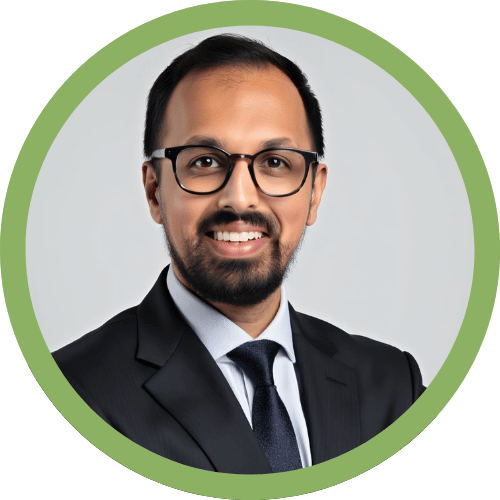
Your specialist, Dr Ahmir Ahmad

Consultant Gastroenterologist & Endoscopist

Dr Ahmad qualified in medicine from University College London in 2010. He completed a four year specialist endoscopy fellowship at St Mark’s Hospital from 2018 to 2022, and a PhD at Imperial College London in 2023 focused on improving the quality and efficiency of endoscopy. His specialist interests include therapeutic endoscopy, endoscopic mucosal resection (EMR) and the early detection of upper gastrointestinal conditions. He continues to perform endoscopy at St Mark’s, the National Bowel Hospital, and has carried out more than 4,500 procedures.

  • Qualifications MBBS, BSc, MRCP, PhD
  • Professional registration GMC 7090128 · Specialist Register
  • Practises at Welbeck London · Nuffield Health Brentwood Hospital · Spire Hartswood Hospital · St Mark’s TrustPlus, Northwick Park Hospital
  • Experience 4,500+ procedures

Medically reviewed by Dr Ahmir Ahmad. Last reviewed 20 October 2026.

Testimonials

What patients say

How patients felt before, during and after their procedure.

“I was dealt with very sympathetically and professionally by Dr Ahmad, this was over the course of three consultations and an endoscopy. Any worries I had about the treatment were unfounded and the endoscopy was a quick and painless procedure. I was quickly reassured there were no significant issues and have been discharged back to my GP. So pleased to have been under Dr Ahmad’s care. ”

Gastroscopy patient(Heartburn (Acid Reflux)) Verified · Doctify

“Very satisfied with the whole experience ”

Gastroscopy patient(Stomach / Abdominal Pain) Verified · Doctify

Dr Ahmad is very professional and has excellent personal skills. I felt immediately impressed and assured on his high level of expertise. Took a good amount of time to throughly look at my issues. Then reacted immediately with a quick plan to move forward. Excellent professional. ”

Gastroscopy patient(Gut health) Verified · Doctify

Frequently Asked Questions

  • A gastroscopy may be recommended if you experience symptoms such as persistent stomach pain, frequent heartburn, difficulty swallowing, or unexplained weight loss. It is a procedure that allows your doctor to examine the lining of your oesophagus (gullet), stomach, and the first part of your small intestine to identify abnormalities such as inflammation or ulcers. If necessary, biopsies (small tissue samples) can also be taken to help establish a diagnosis.

  • A gastroscopy can help diagnose or identify the following conditions:

    • Acid reflux: Irritation or damage to the oesophagus caused by stomach acid.
    • Inflammation: Swelling or irritation of the oesophagus or stomach lining.
    • Stomach ulcers: Sores in the lining of the stomach or the first part of the small intestine.
    • H. pylori infection: A bacterial infection that can cause stomach ulcers.
    • Coeliac disease: A condition that affects the small intestine and is assessed through biopsies.
    • Bleeding: Sources of bleeding in the upper digestive tract.
    • Narrowing of the oesophagus: A condition that can make swallowing difficult.
    • Abnormal growths: Polyps or suspected cancers that may require further testing.
  • Yes, a gastroscopy can help detect suspected cancers in the oesophagus, stomach, and the first part of the small intestine. If an abnormal area is found, your doctor may take a biopsy to determine whether cancerous cells are present. Further tests may be needed to confirm the diagnosis.

  • Before a gastroscopy, you will need to fast for several hours to ensure your stomach is empty. Your doctor or clinic will provide specific instructions about when to stop eating and drinking and whether you need to adjust any medications.

    You may be offered throat spray or sedation to help make the procedure more comfortable. If you receive sedation, you will need to arrange for a responsible adult to take you home and follow the clinic's instructions about aftercare.

  • A gastroscopy is not usually painful, although you may experience some discomfort, gagging, or bloating during the procedure. To help you feel more comfortable, you may be offered a local anaesthetic throat spray or sedation. Your medical team will explain the available options before the procedure.

  • Gastroscopy is generally a safe procedure. Mild discomfort, gagging, or bloating may occur during or shortly after the examination. However, complications can occasionally happen and may include bleeding, infection, or damage to the digestive tract. The risk of complications may be higher if additional procedures, such as tissue sampling or treatment, are performed.

    Your doctor will explain the potential risks and benefits before the procedure.

  • After a gastroscopy, you may experience a mild sore throat or bloating for a short time. Most people can return home on the same day.

    If you have received sedation, you should avoid driving, drinking alcohol, operating machinery, and making important decisions for 24 hours, or for the period specified by your medical team. Follow your clinic's advice about eating, drinking, and resuming your usual activities, particularly if you have had any additional treatment.

  • Recovery after a routine gastroscopy is usually quick. Many people can return to their normal activities the following day, provided they feel well and have not received any additional treatment that requires a longer recovery period. If you have had sedation, you must follow the recommended restrictions for the full advised period.

  • You will usually receive the initial findings on the same day as your gastroscopy. However, if biopsies are taken, the results may take a few days to several weeks, depending on the tests required. Your doctor will explain the findings and let you know if any further investigations or treatment are necessary.

  • The cost of a gastroscopy depends on where the procedure is performed, whether sedation is used, and whether additional tests or treatments, such as biopsies, are required. For an accurate estimate, contact your clinic or hospital to discuss the procedure and any associated costs.

Get in touch

Have a question about colonoscopy? We’re happy to help.

  • Phone

    07435 081678Dr Ahmad’s secretary, office hours

    Call now
  • Locations

    • Welbeck London, Marylebone
    • Nuffield Health Brentwood Hospital, Brentwood
    • Spire Hartswood Hospital, Brentwood
    • St Mark’s TrustPlus, Northwick Park Hospital, Harrow
  • Email

    Send an email
  • Clinic times

    • Monday
      12:00–14:00Welbeck London
    • Tuesday
      08:00–09:00St Mark’s TrustPlus
    • Wednesday
      10:30–12:00Spire Hartswood
      14:00–16:00Nuffield Health Brentwood
      18:00–20:00Welbeck London
    • Alternate Saturdays
      09:00–11:00Spire Hartswood or Nuffield Health Brentwood

Get in touch

Have a question about colonoscopy? We’re happy to help.

Advice after your procedure

Office hours

Contact Dr Ahmad’s secretary on 07435 081678 or at clinic@drahmirahmad.com.

  • Monday – Friday 9:00am – 5:00pm

Out of hours

Contact the hospital where you were treated for advice:

If you can’t get through to the hospital, call NHS 111.

In an emergency, call 999 or go to A&E, and tell them about your recent procedure.

Looking for a Gastroscopy specialist?

See Dr Ahmad at Welbeck London in Marylebone, Nuffield Health Brentwood Hospital or Spire Hartswood Hospital in Brentwood, Essex, or St Mark’s TrustPlus at Northwick Park Hospital in Harrow. Consultations are available in person, by video or by phone.